Welcome to the School of International Education!
- 关注公众号StudyatHdu

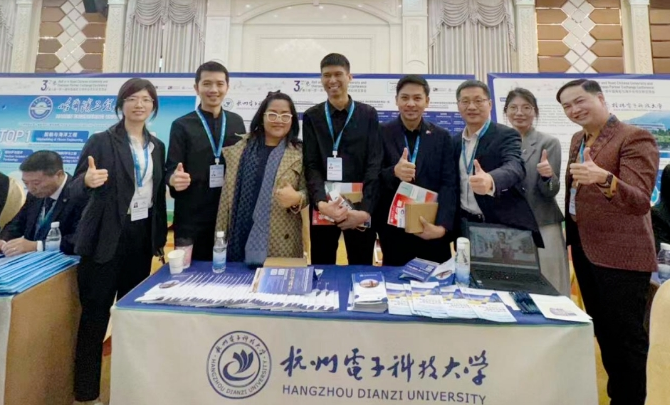
From November 26 to 28, the School of International Education was invited to participate in the 3rd Belt and Road Exchange Conference for Chinese Universities and Overseas Partners held in Guangzhou.
Hosted by MalishaEdu, the event brought together representatives from education authorities, universities, high schools and educational institutions in more than 50 countries around the world to jointly explore new paths for international education cooperation and the development of study in China programs.
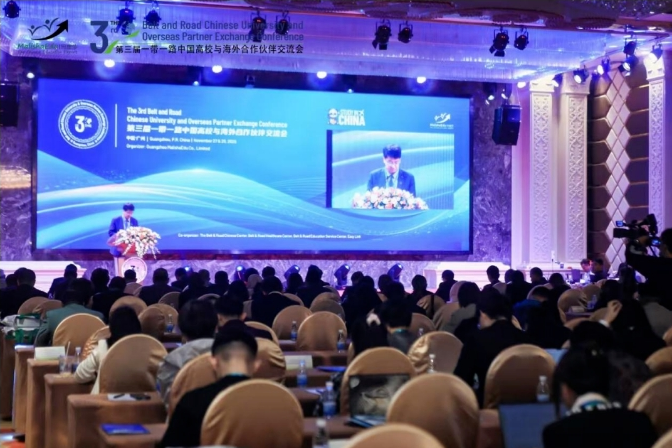
During the two-day conference, the School of International Education actively took part in the opening ceremony, thematic discussions, one-on-one cooperation matchmaking and other sessions.
In particular, during the intensive one-on-one negotiations, our university’s admission representatives held in-depth exchanges with educational counterparts from Belt and Road partner countries including Thailand, Indonesia, Russia, Bangladesh and Uzbekistan.
During the discussions, the overseas representatives inquired in detail about the distinctive majors, scholarship policies, language admission requirements, campus life support, and international student training programs offered by our university. Our representatives responded patiently and thoroughly, and provided personalized study-abroad planning advice and proposed cooperation models tailored to the educational conditions and student needs of the respective countries.
Regarding specific issues of concern to some educational institution representatives, such as the "foundation program–undergraduate degree" pathway, our representatives systematically introduced the existing programs and policy framework of our university, and encouraged more students to participate in our foundation and degree programs.
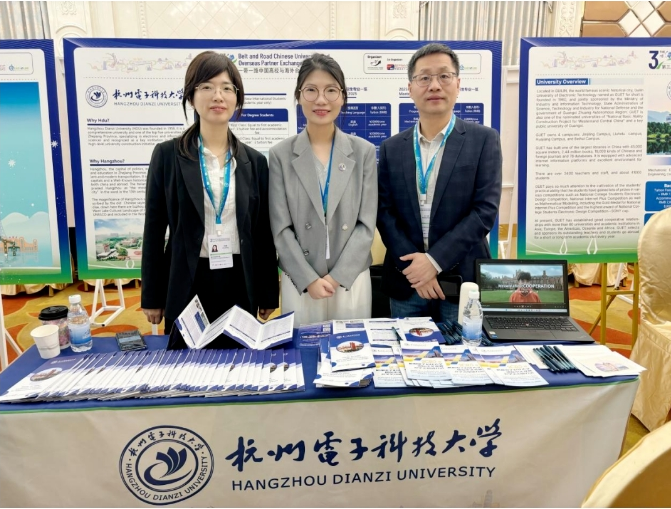
During the two-day conference, the School of International Education actively participated in the opening ceremony, thematic discussions, one-on-one cooperation matchmaking and other sessions.
In particular, during the intensive one-on-one meetings, our admission representatives held in-depth exchanges with education representatives from Belt and Road countries including Thailand, Indonesia, Russia, Bangladesh and Uzbekistan.
During the discussions, the counterparts inquired in detail about our university’s distinctive academic programs, scholarship policies, language admission requirements, campus life support services, as well as training programs designed for international students. Our representatives responded patiently and thoroughly, and provided personalized study-abroad planning advice and proposed cooperation models tailored to the educational realities and student needs of the respective countries. Regarding specific issues such as the "foundation program to undergraduate pathway" that concerned some education institution representatives, our representatives also systematically introduced the existing programs and policy framework of our university, and encouraged more students to join our foundation and degree programs.
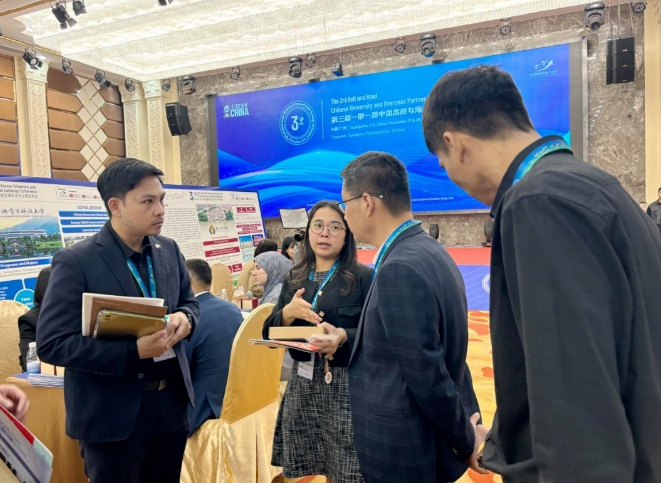
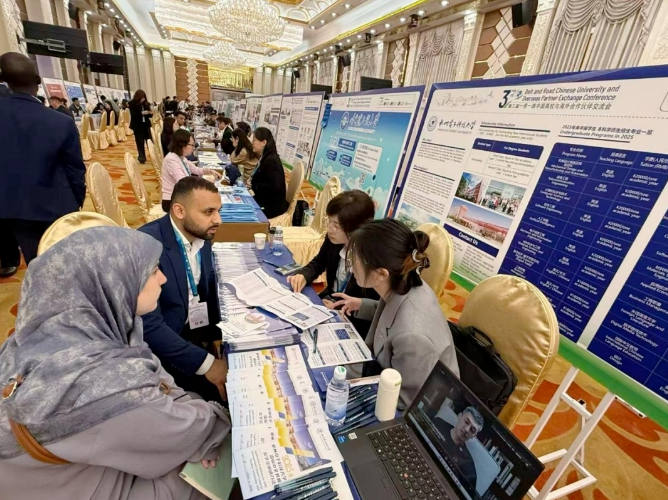
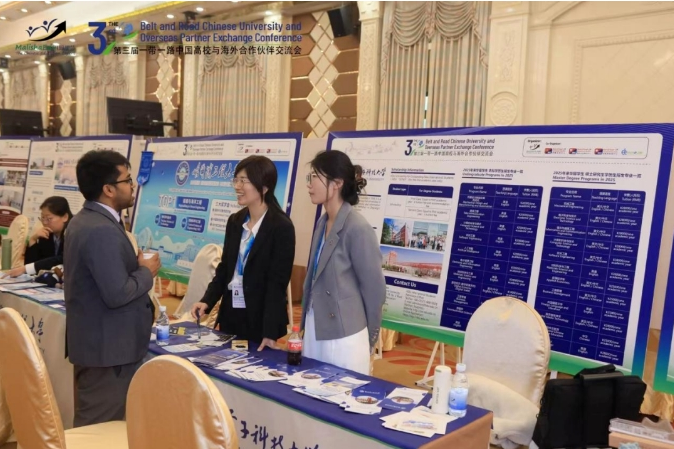
Through this exchange, the School has gained a better understanding of the education systems and student mobility trends in countries along the Belt and Road, expanded its overseas recruitment and cooperation networks, and provided new ideas and resources for the university’s international education and the development of study-in-China programs.
In the future, the School will continue to uphold the philosophy of openness and cooperation, deepen educational exchanges with countries along the Belt and Road, promote the implementation of more substantive cooperation projects, and support the high-quality development of international education at our university.